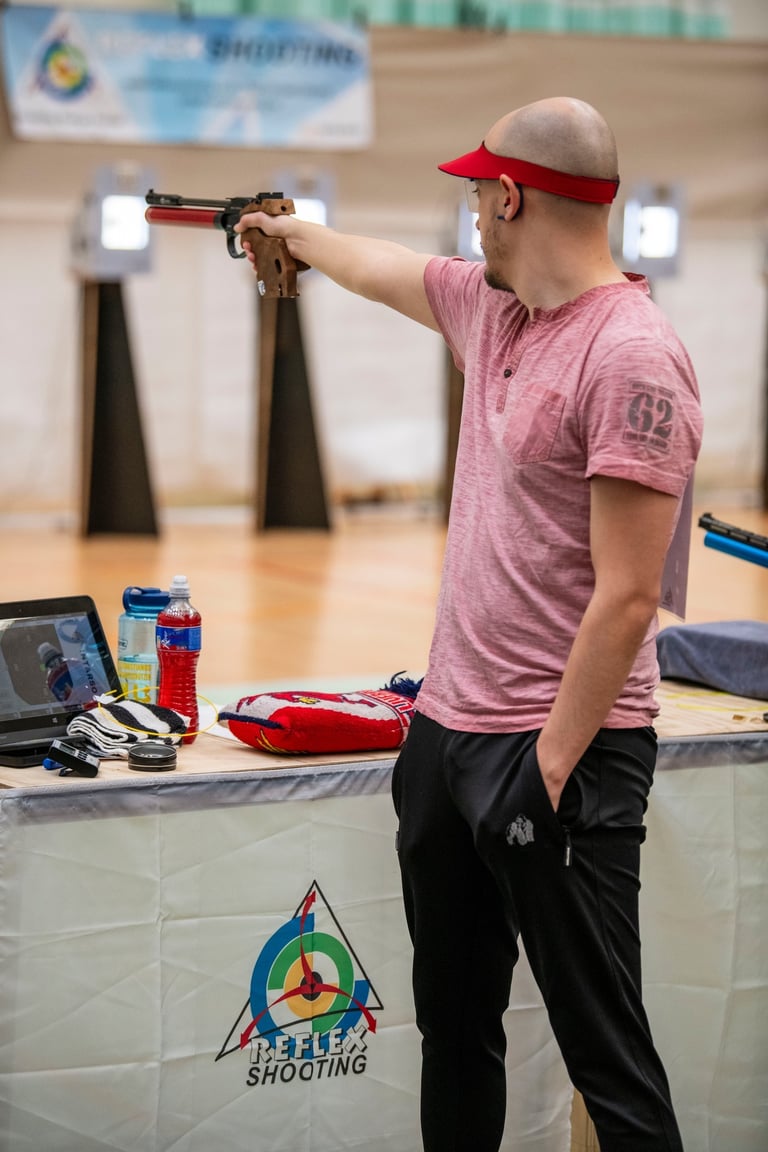
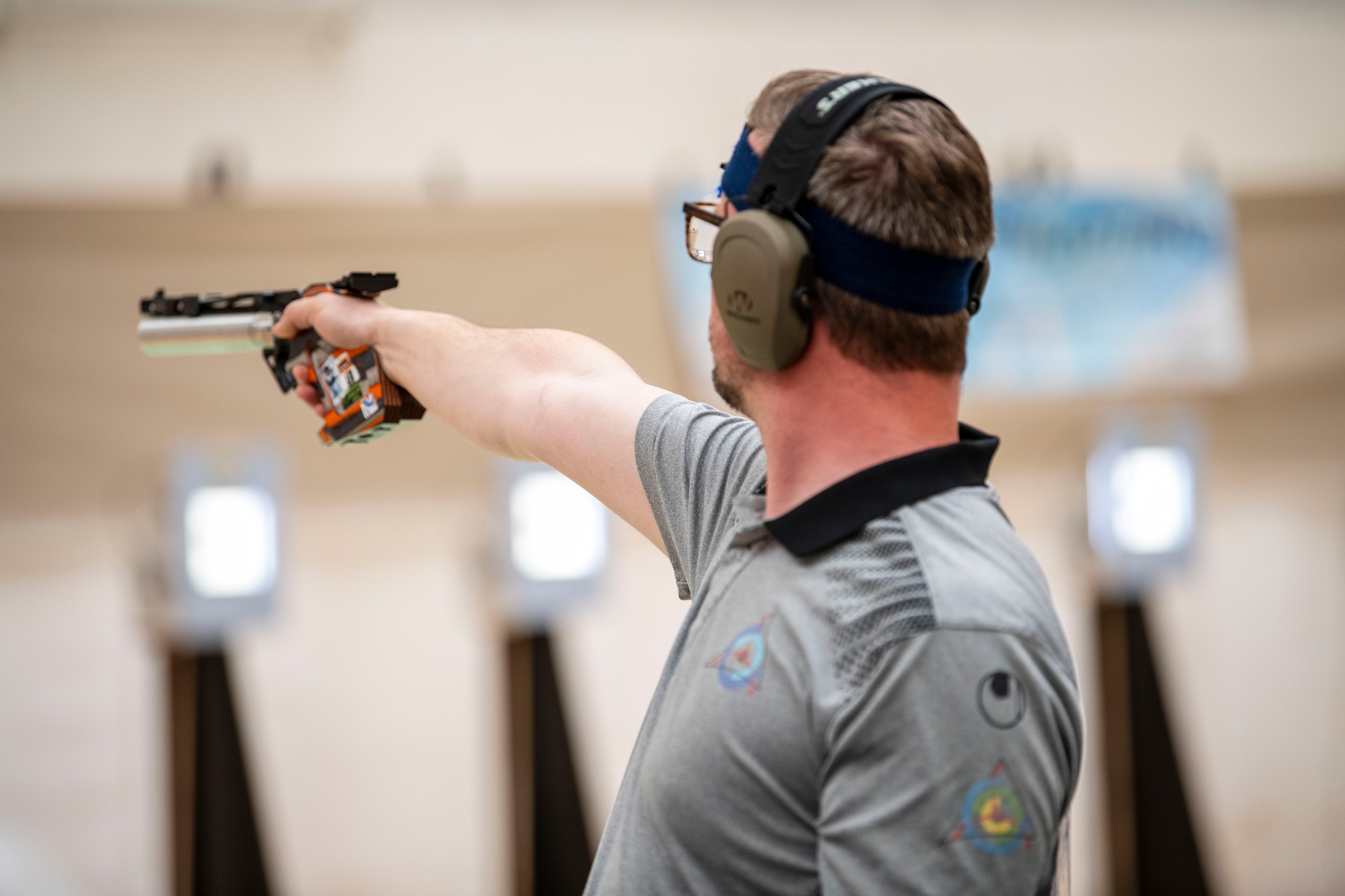

It is a frustratingly common cycle in competitive shooting. An athlete dedicates endless hours to the range, reaches a commendable skill tier, and then hits an invisible wall. No matter how many hours are logged from that moment on, the scores refuse to budge. Worse, they might even begin a slow, disheartening decline.
When this plateau occurs, the instinctive response for most shooters is to scrutinize their technical mechanics or turn to "retail therapy." You modify your grip, change the width of your front sight, or install a premium aftermarket trigger blade. Some invest heavily in electronic training systems like a SCATT, tracking every micro-movement of the barrel. Yet, after weeks of adjustments, the scoreboard remains stubbornly unchanged. True, significant improvement remains elusive.
The Trap of Uninformed Adjustments
If this sounds familiar, take comfort in knowing you are not alone. This is one of the most common pitfalls in athletic development. When performance stalls, athletes immediately search for technical errors, gathering fragmented feedback from peers or looking for a quick equipment fix.
The core issue is that many of these changes are made without a fundamental understanding of what actually needs to be corrected and why. You end up implementing partial advice. Even if that advice is technically correct in a general sense, it is often completely inapplicable to your specific bottleneck. You change the hardware, but the underlying problem remains untouched.
The Missing Pillars: Physical and Mental Conditioning
If technical adjustments and high-end gear aren't moving the needle, where is the missing link? The answer almost always lies in a lack of structured, discipline-specific physical and mental training.
A successful match requires more than just a clean trigger pull; it requires physical and mental resilience. Without general and sport-specific strength and conditioning, your body cannot physically support you through a long, grueling course of competition match. Concurrently, without deliberate mental performance training, you remain blind to the psychological triggers that quietly sabotage your execution when the stakes are raised.
The Training Session vs. Competition: It is not unusual to see athletes consistently scoring a brilliant 560 during low-stress training sessions, only to watch their score collapse to a 530 under the bright lights of a formal competition.
The Physiology of Pressure
This drastic drop in performance is rarely a technical failure; it is an inability to manage the physiological manifestations of competition stress. When the pressure mounts, an unconditioned body defaults to a fight-or-flight response. Your breathing shifts, becoming shallow and rapid. This immediate drop in oxygenation drives your heart rate up.
An elevated heart rate is the enemy of stability. It increases your minimal "arc of movement," causing the barrel of your pistol or rifle to bounce erratically. In response, a panicked shooter will often try to force the sights to stay perfectly still within the aiming area—a desperate, counter-productive technique known as "hunting the 10 shot."
If your arm is rested, you might get lucky and punch a few 10s early on. However, this forced tension rapidly fatigues the muscles. A proper, controlled hold should never exceed 7 seconds. Beyond that window, muscle tremors set in. Once a couple of unexpected 7s or 8s land on the target, panic takes over. Self-doubt and distorting thoughts flood the mind, creating a negative feedback loop that completely derails the rest of the match.
📊 Check Your Mental Resilience Profile
Are your scores dropping because of match-day pressure? Instead of guessing, you can measure your psychological readiness right now.
Take a moment to fill out our interactive Mental Assessment Form to evaluate your current mental competitive strength and instantly see how your mindset scores under pressure.
Building a Sustainable Path Forward
To overcome this plateau and consistently secure higher scores, you must look beyond the technical fundamentals of your shooting posture. Real growth requires a balanced, three-pronged approach:
- Technical Trust: Refine your mechanics until they are structurally sound, and then learn to trust your process rather than micro-managing individual shots.
- Physical Fitness: Implement targeted physical conditioning to build the endurance required to withstand the long haul of multi-stage qualifying matches.
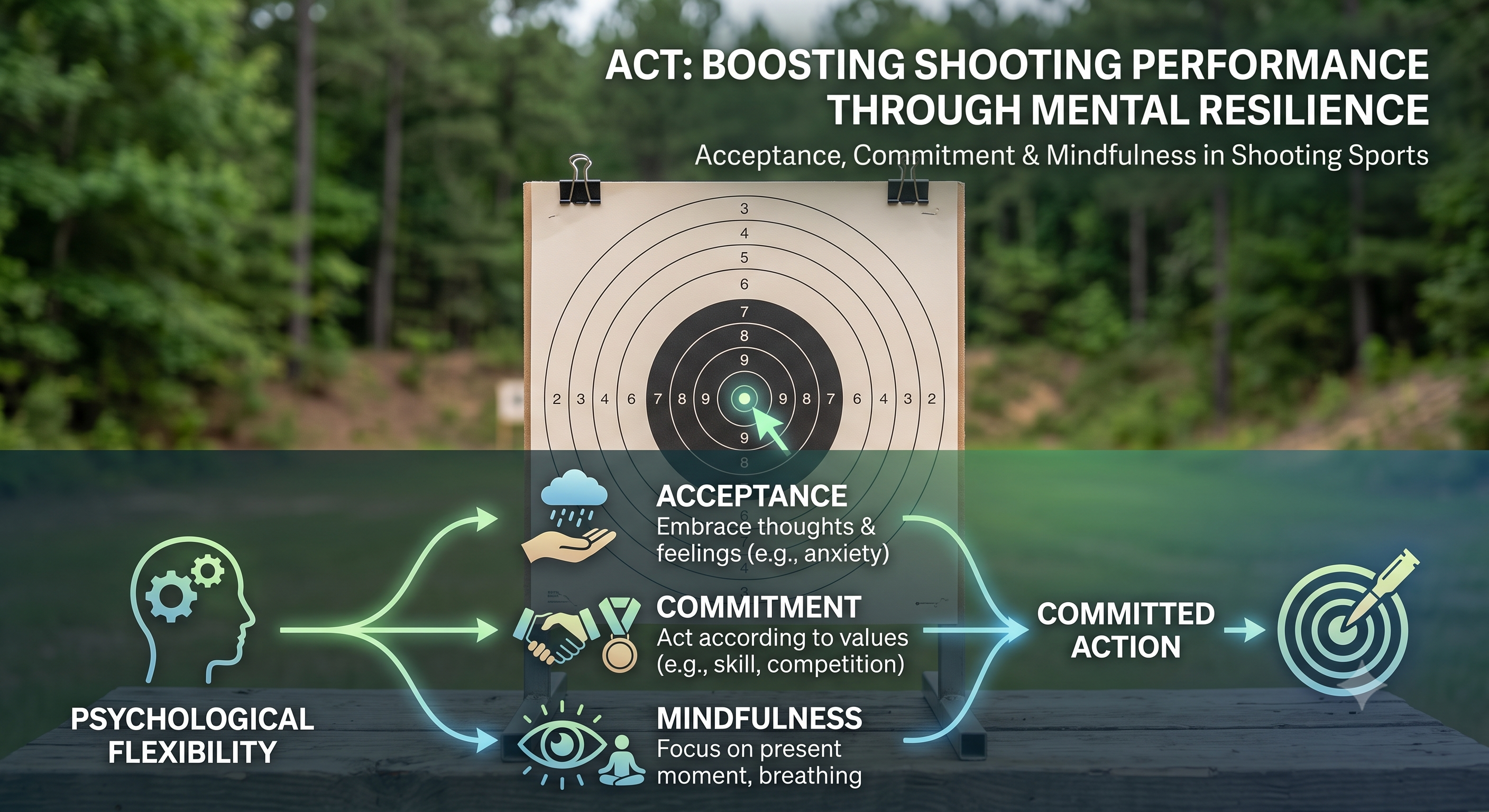
- Mental Resilience: Train your mind to endure match pressure, allowing you to regulate your nervous system and perform at your peak through both the qualifying rounds and the high-tension finals.
True success takes long-term commitment, disciplined routine, and hard work. No matter how experienced, decorated, or knowledgeable your coach may be, they cannot shoot the match for you. The responsibility ultimately falls on you, the athlete, to actively apply, practice, and live these principles on and off the firing line.
Stuck in a performance plateau? Feel free to contact our Head Coach today to learn more and join our training program so you can finally perform at your absolute best.